When well water turns orange, develops a rotten-egg odor or begins leaving behind slime and buildup, it is clear that something is wrong. Other well problems are not nearly as obvious. Water may look perfectly clear while bacterial activity is quietly contributing to corrosion, biofilm, clogged screens or reduced well performance.
Before deciding how to treat or rehabilitate a well, it helps to understand what you are actually dealing with.
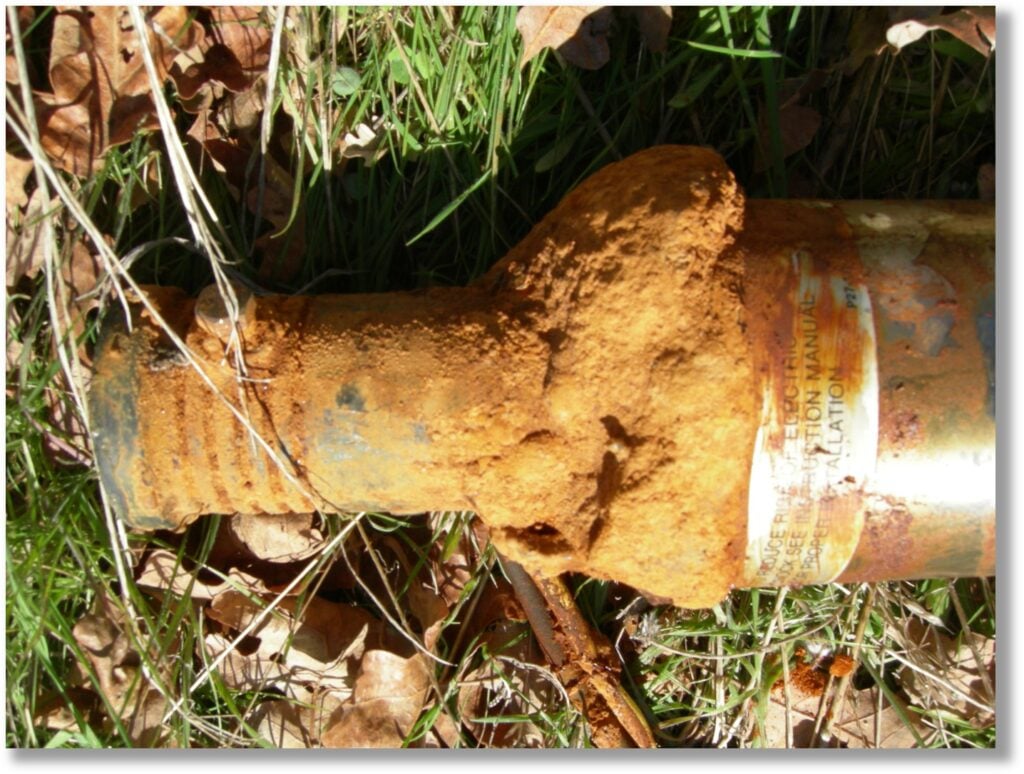
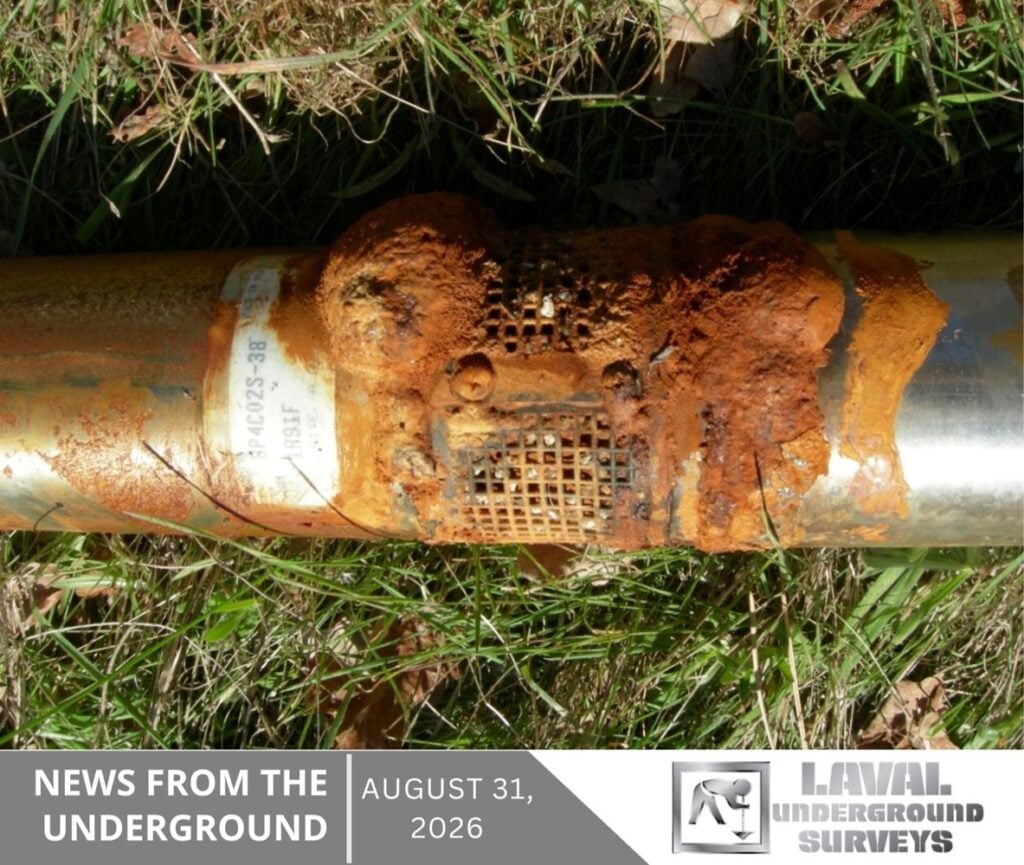
IMAGE: Effects of Iron-Related Bacteria
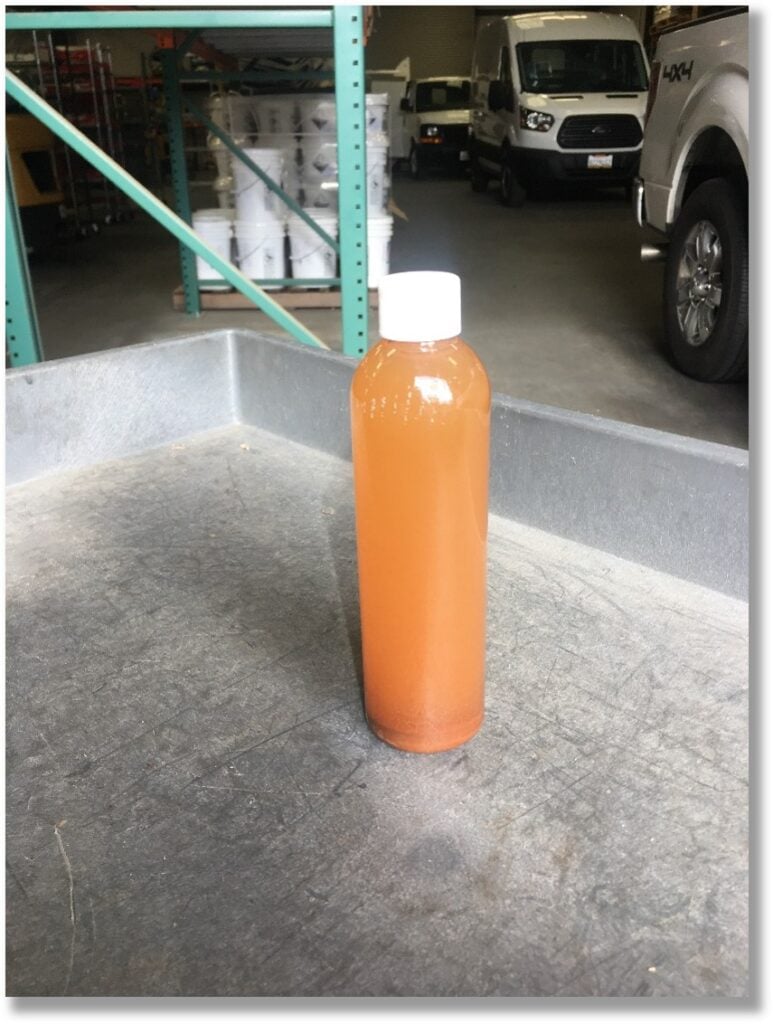
IMAGE: Water Contaminated with Iron-Related Bacteria
BART stands for Biological Activity Reaction Test. BART kits provide a simple, field-ready way to screen water for specific groups of bacteria, including iron-related, sulfate-reducing, slime-forming and heterotrophic bacteria.
The process is straightforward. Add a 15 mL water sample to the appropriate BART vial, keep it at room temperature and observe it over the next 1–8 days. Changes in color and appearance help identify the type of bacterial activity present, while the time it takes for the reaction to occur provides an indication of the activity level. Generally, the faster the reaction, the heavier the active bacterial load.
No incubator, microscope or specialized laboratory equipment is required.
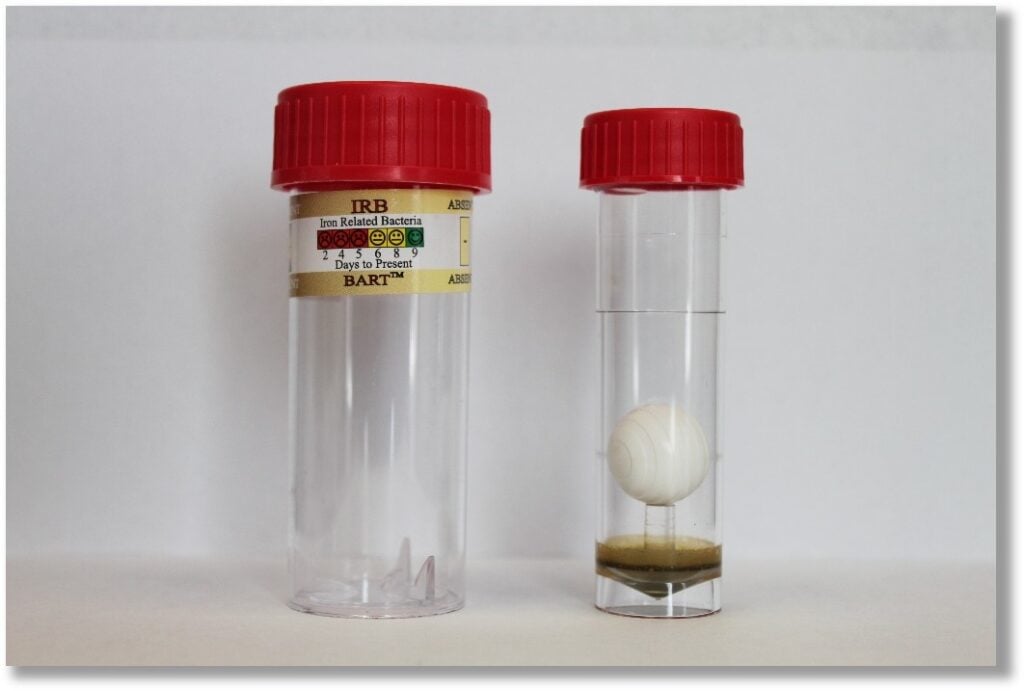
IMAGE: BART Test Kit with Positive Result for Iron-Related Bacteria
For well professionals, BART kits can be especially useful when investigating:
Red or orange staining and iron deposits
Rotten-egg odors and sulfide problems
Slime, biofilm and clogged well screens
Unexplained corrosion or declining well performance
Testing before treatment can help you select a more appropriate course of action. Testing again after cleaning or rehabilitation can also provide a useful way to monitor whether bacterial activity returns.
Invented by Dr. D. Roy Cullimore, engineered by Droycon Bioconcepts, and distributed here at Laval Underground Surveys, our BART kits are the global standard when it comes to testing for iron-related, sulfate-reducing, slime-forming, or other waterborne bacteria. BART kits have been used by water professionals and laboratories around the world for more than 35 years.
To learn more about BART testing or find the right kit for your application, visit BartKits.com.
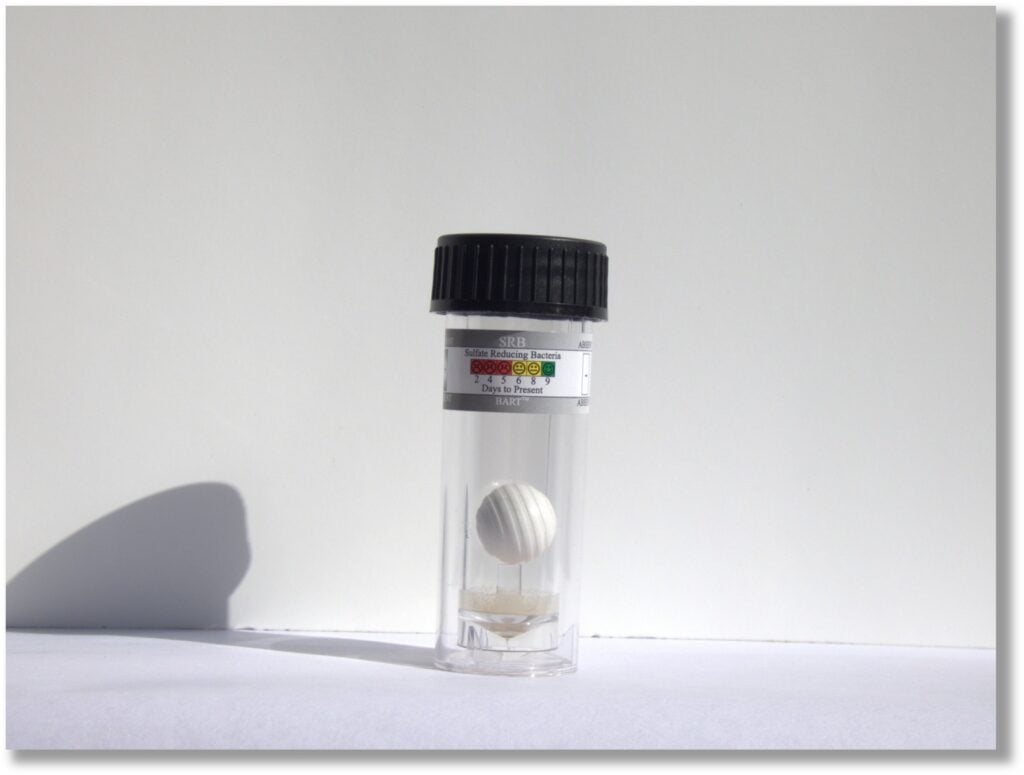
IMAGE: BART Test Kit for Sulfate-Reducing Bacteria
Recent Posts
CUSTOM CAMERA VAN BUILD – SOUTHERN CALIFORNIA
What’s Really Happening in Your Well Water?
A BRIEF HISTORY OF BOREHOLES & CAMERAS
Gallery
Using the control unit on the RCAM system
RCAM on winch and pully system
Workers surrounding RCAM Complete Borehole Camera System for Well Inspection
R-CAM underground well inspection
R-CAM TLE Level Wind Borehole Camera on Jobsite
Workers using control unit on RCAM complete system to inspect well