Did you know that every time you conduct a borehole survey, you are building upon thousands of years of technological advancement?
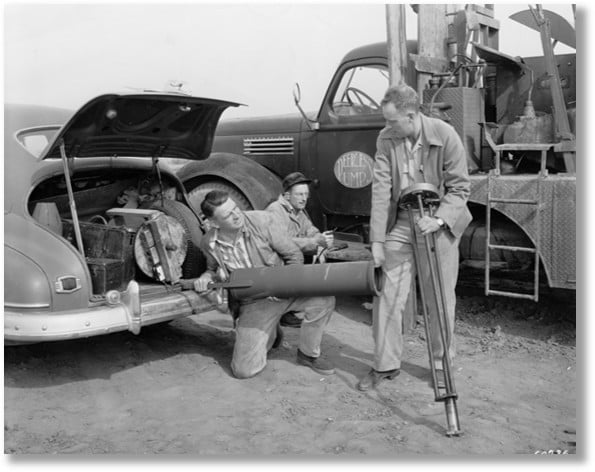
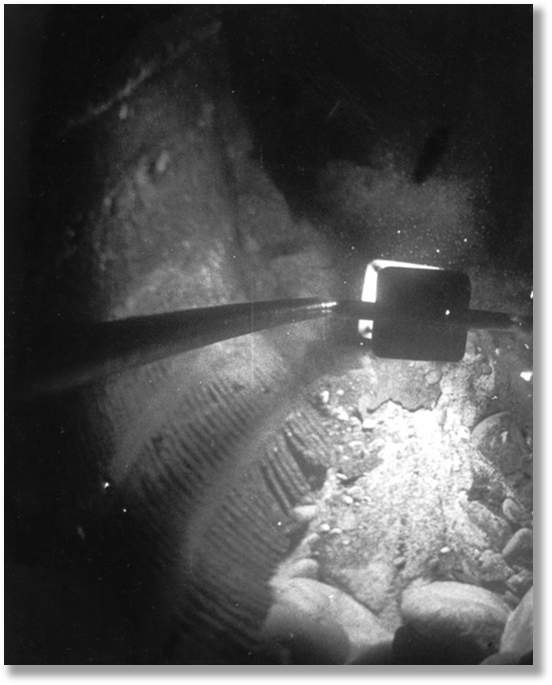
IMAGE: Early LUS Picture with the Peerless Camera
Historical accounts of borehole drilling suggest that it is actually an ancient practice. In fact, archaeologists have uncovered evidence demonstrating that the first known water wells in existence came from Egypt in around 2,500 BC. It is suspected that the mechanisms they used were copper drill bits and a mixture of sand and water to cut through tough stones such as granite.
In China, the first documented accounts of borehole drilling occurred at the end of the Han Dynasty and during the North Song Dynasty (960–1127 AD). The Chinese developed a percussive technique with iron drill bits connected to bamboo to create boreholes with depths of around 140m. As one could expect, this method of essentially hammering holes took a great deal of time, often months. Over the course of centuries, they advanced the technique, and around 1050 AD, a different system was developed that utilized bamboo to create a sort of cable. This allowed them to dig much deeper wells to depths of 300 to 400 meters. This depth was the average until the 16th century.
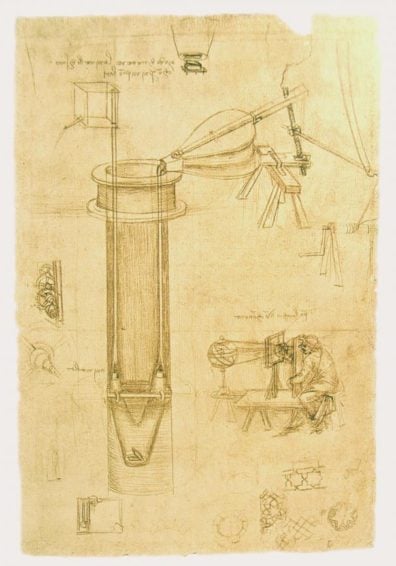
IMAGE: A Sketch of Leonardo da Vinci's Drilling Device
In the 1400s, Leonardo da Vinci invented a drilling device that allowed for the hollowing out of trees to produce water. The device was rather small and would no way be able to be used as a standard technique for borehole drilling, but the design remained popular for centuries.
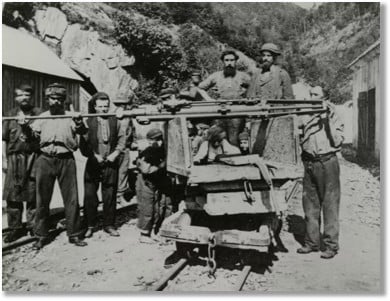
IMAGE: The First Mechanical Percussion Drill Invented by Jonathan J. Couch in 1849
It wasn’t until the industrial revolution in the 19th century that the drill became mechanized. In 1849, Jonathan J. Couch invented the mechanical percussion drill. Powered by steam, this drill provided a means for digging that was not dependent on gravity. Of course, the mechanism was perfected over time, and we now have numerous mechanisms for borehole drilling.
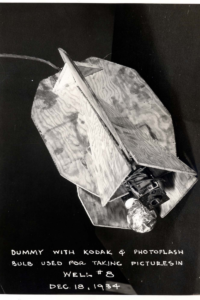
After all these centuries of borehole digging, well cameras finally appeared in the 1930s. In 1934, researchers at the University of Illinois invented a suspension device utilizing a kodak camera to take images of the inside of a well. This simple mechanism allowed for more efficient borehole practices and maintenance.
IMAGE: Suspension Camera University of Illinois 1934
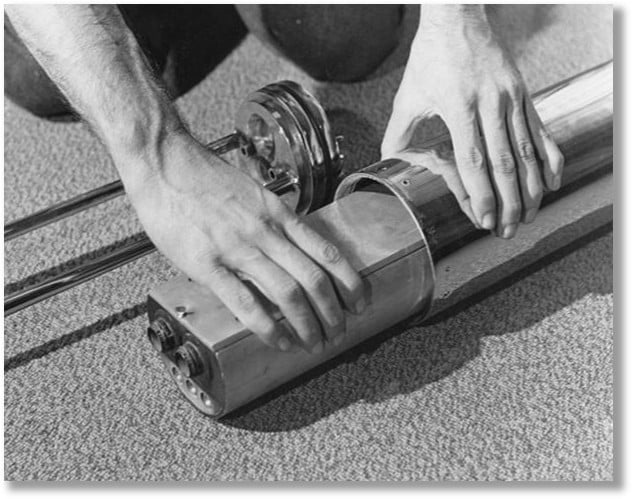
Then in the 1940s, determined to revolutionize the technology, Claude Laval Jr. developed a stereo well camera that would capture overlapping black-and-white images for depth perception inside of deeper water wells.
IMAGE: Early LUS Stereo Well Camera
The designs Claude Laval Jr developed were industry-changing, and we have enjoyed being at the forefront of those advancements ever since. Looking back on where the practices began to where we are now, the advancement of technology has catapulted the industry forward in unexpected ways. Capturing the heart of ancient curiosity, we are excited to be part of such a longstanding tradition of innovation.
IMAGE: Image Displayed with the Early LUS Stereo Well Camera
Recent Posts
CUSTOM CAMERA VAN BUILD – SOUTHERN CALIFORNIA
What’s Really Happening in Your Well Water?
A BRIEF HISTORY OF BOREHOLES & CAMERAS
Gallery
Using the control unit on the RCAM system
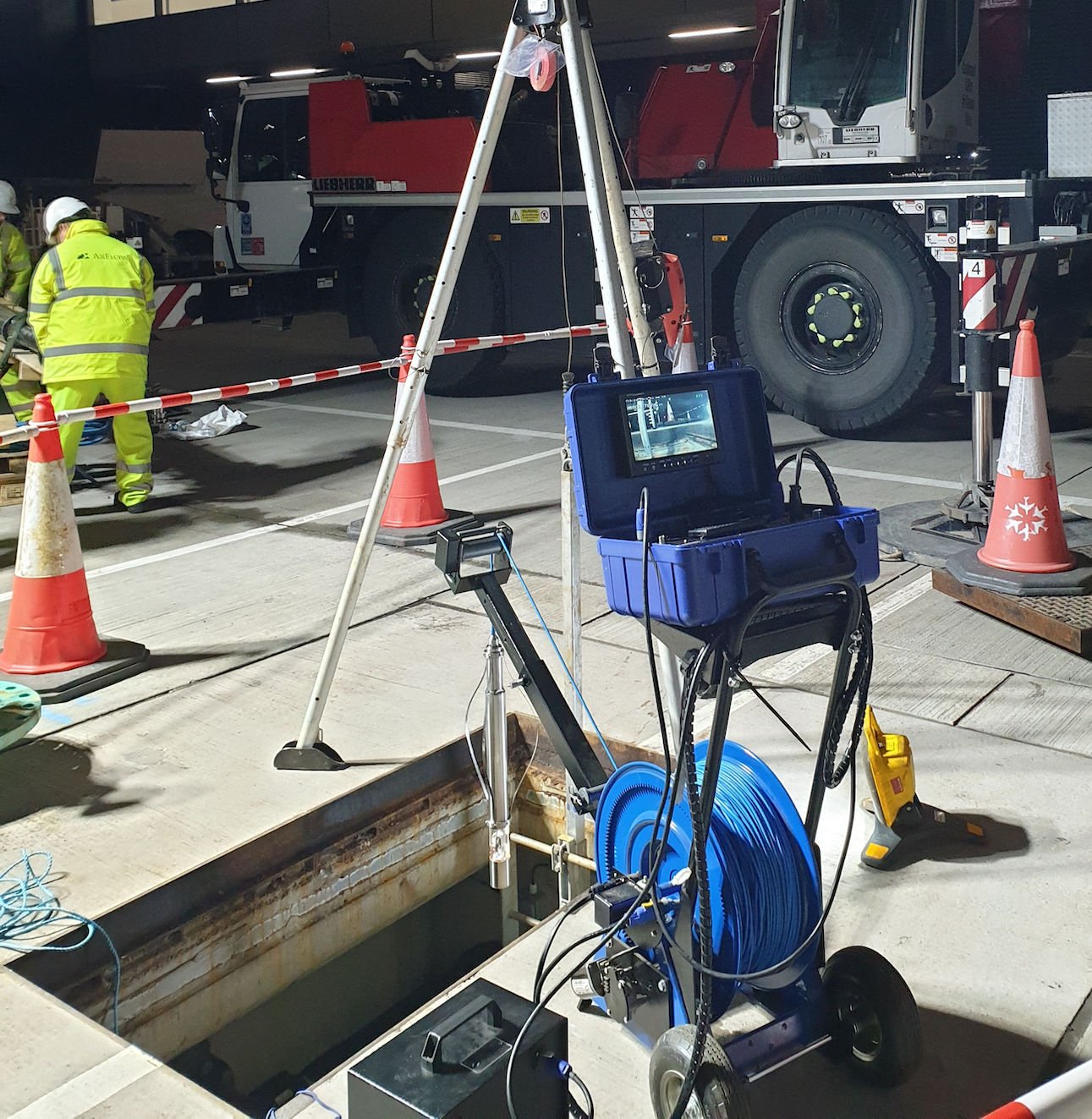
RCAM on winch and pully system
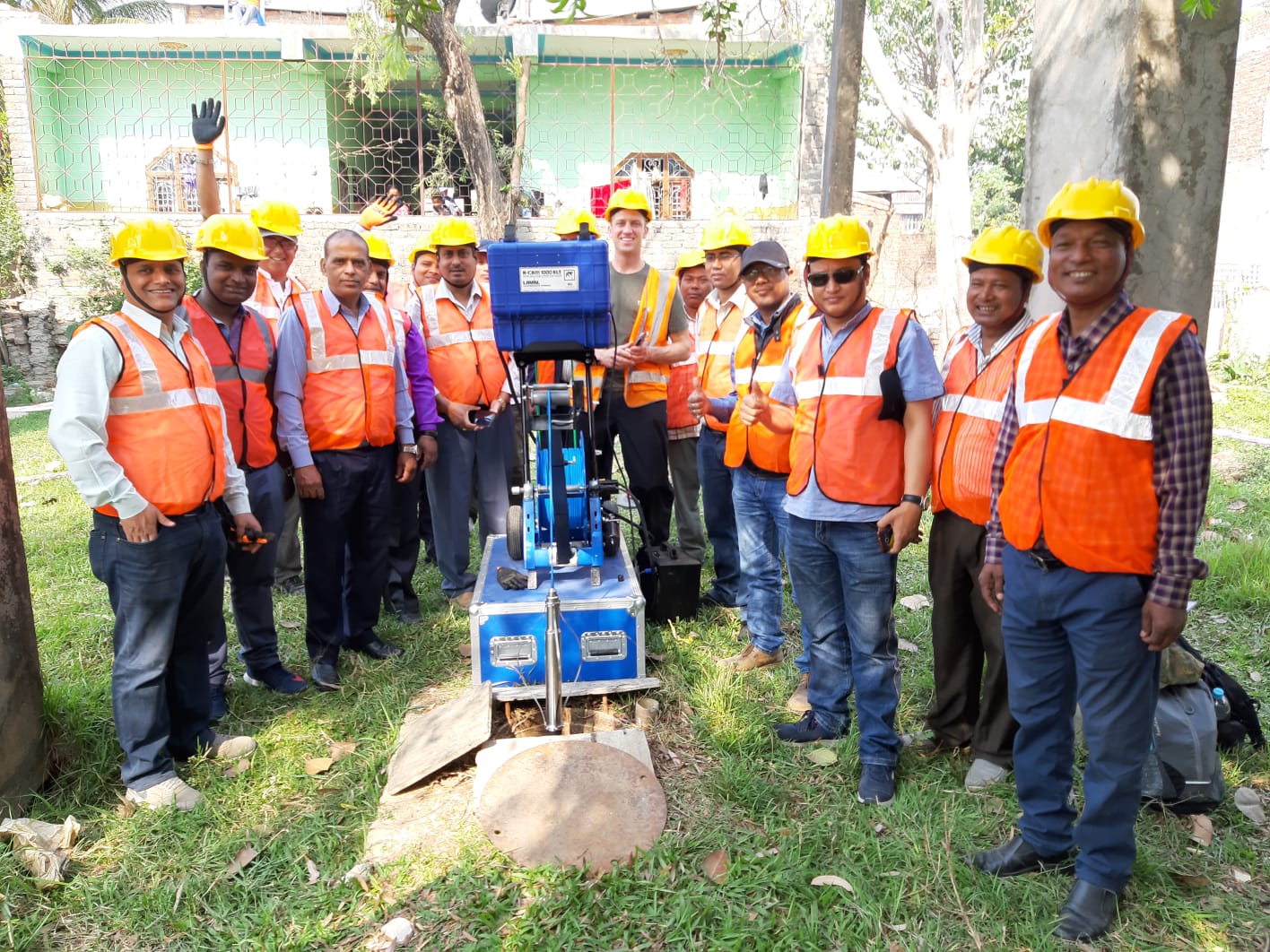
Workers surrounding RCAM Complete Borehole Camera System for Well Inspection
R-CAM underground well inspection
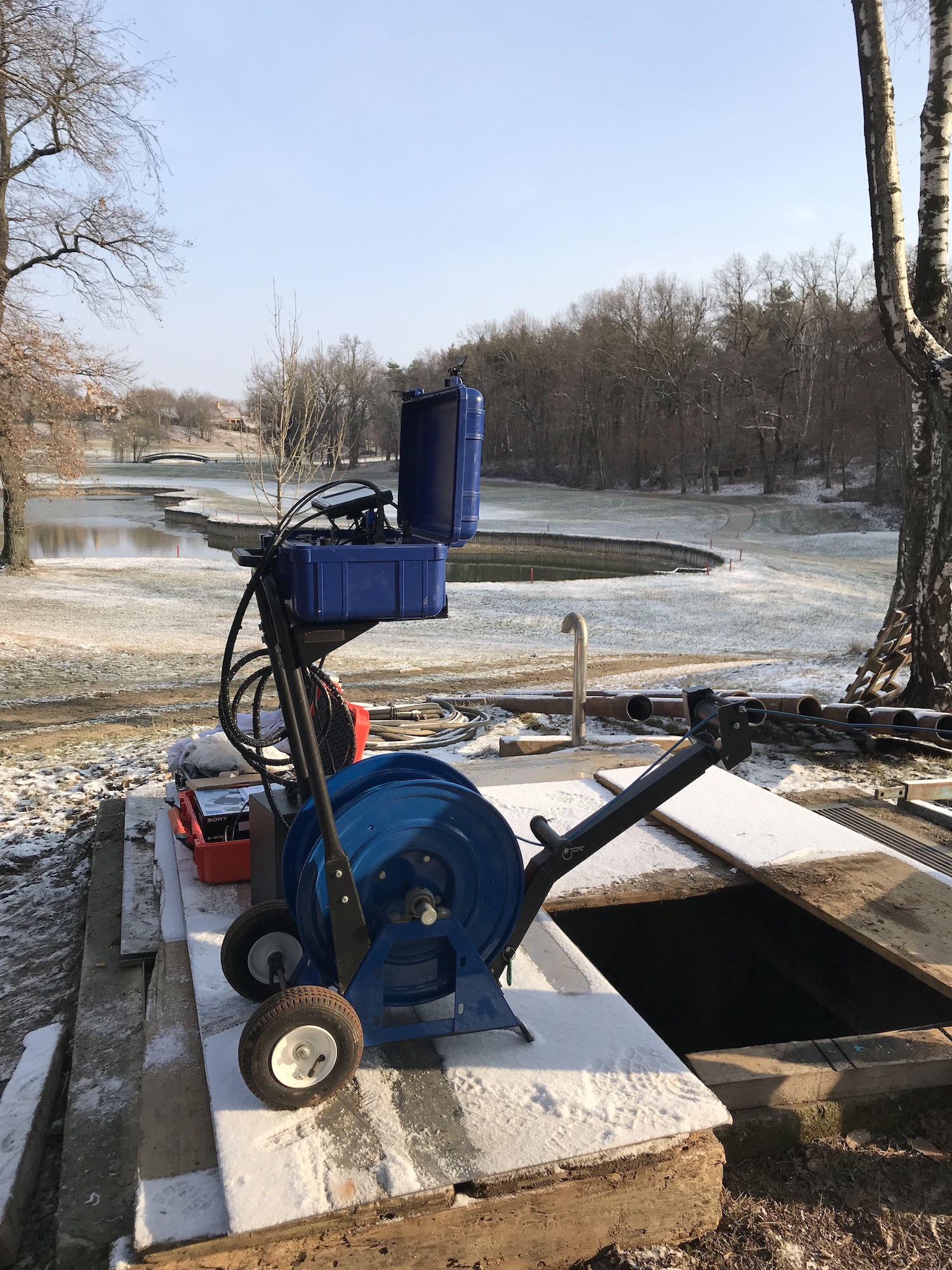
R-CAM TLE Level Wind Borehole Camera on Jobsite
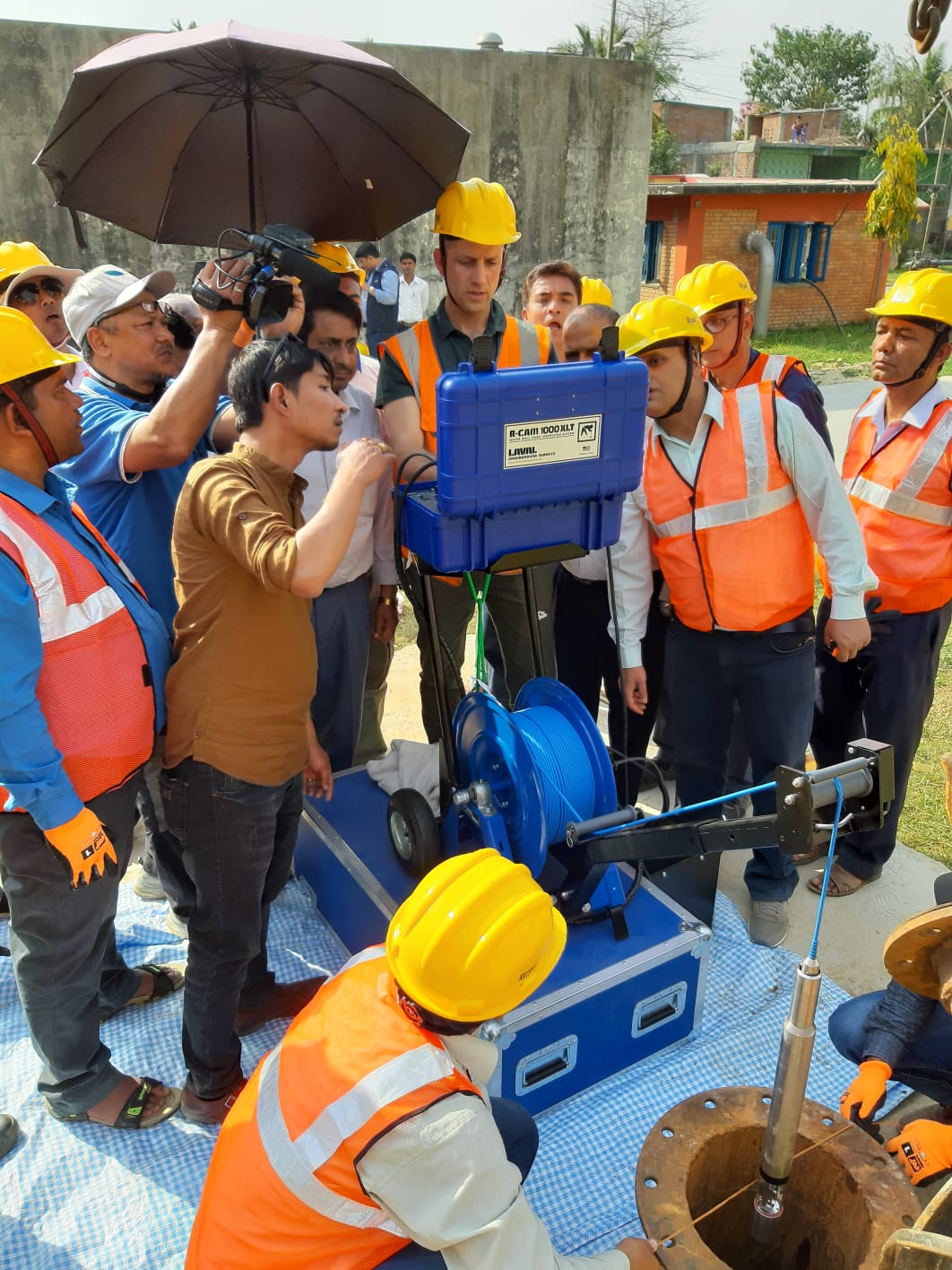
Workers using control unit on RCAM complete system to inspect well